CNC Lathes
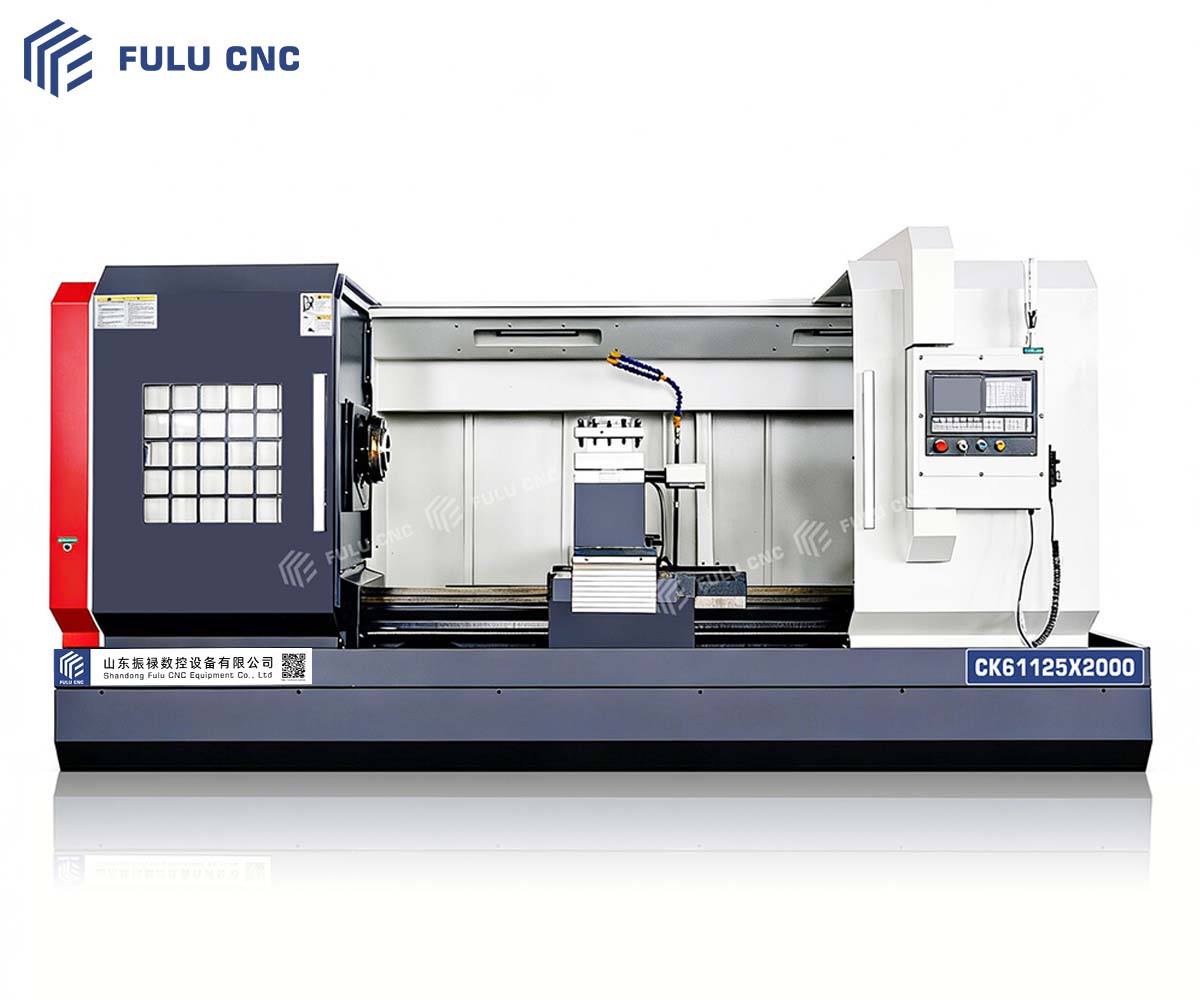
Flat-bed and slant-bed CNC lathes for rotational parts. Compare CK, TCK, and FCK series by turning range, part length, and production needs.
Explore machine family
About Us
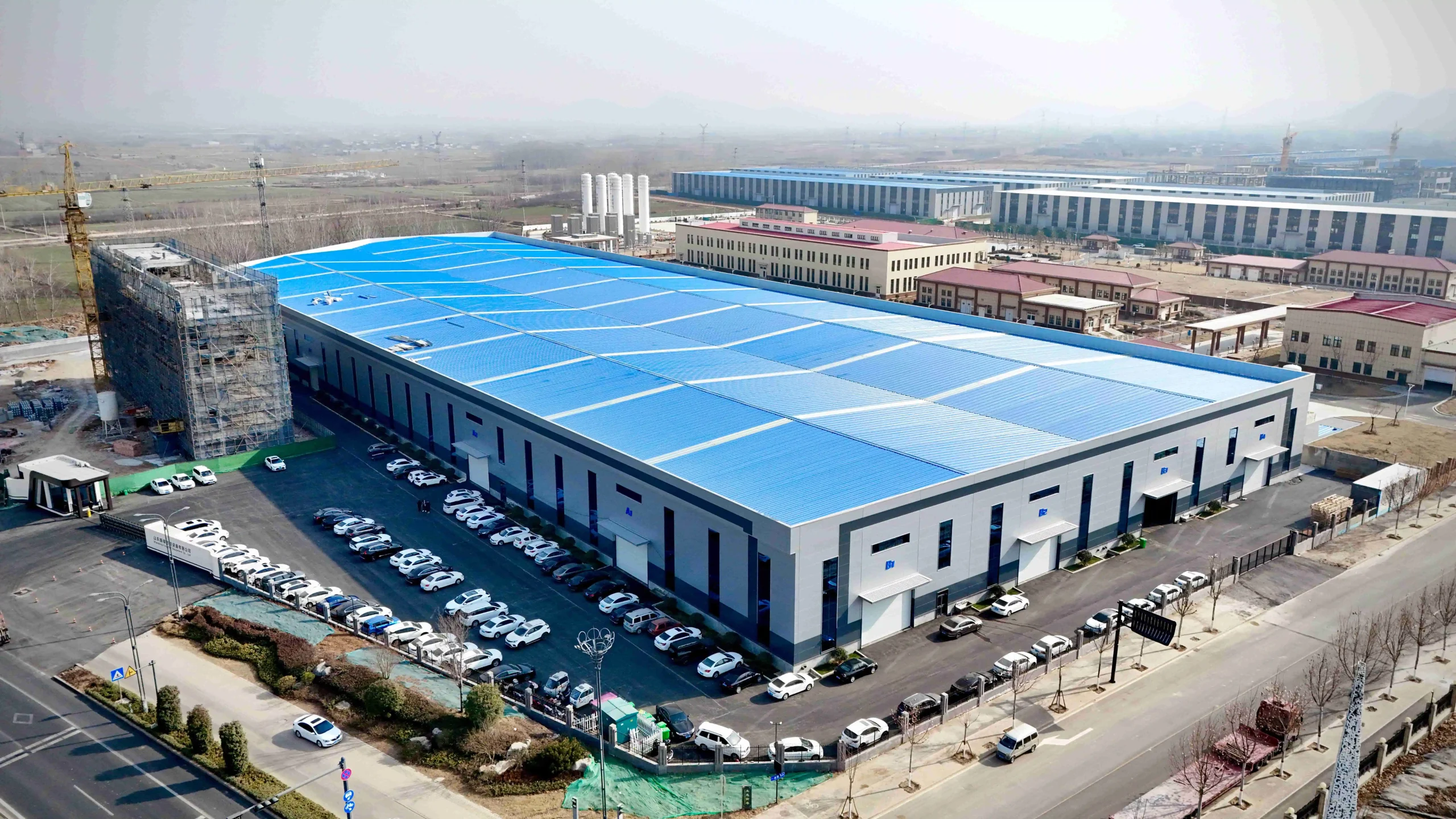
FULU CNC develops, produces, sells, and services CNC machine tools. Its catalog includes CNC lathes, vertical, horizontal, and gantry machining centers, conventional machine tools, and wire-cut EDM machines. We start machine selection with the part, operations, and production requirements.
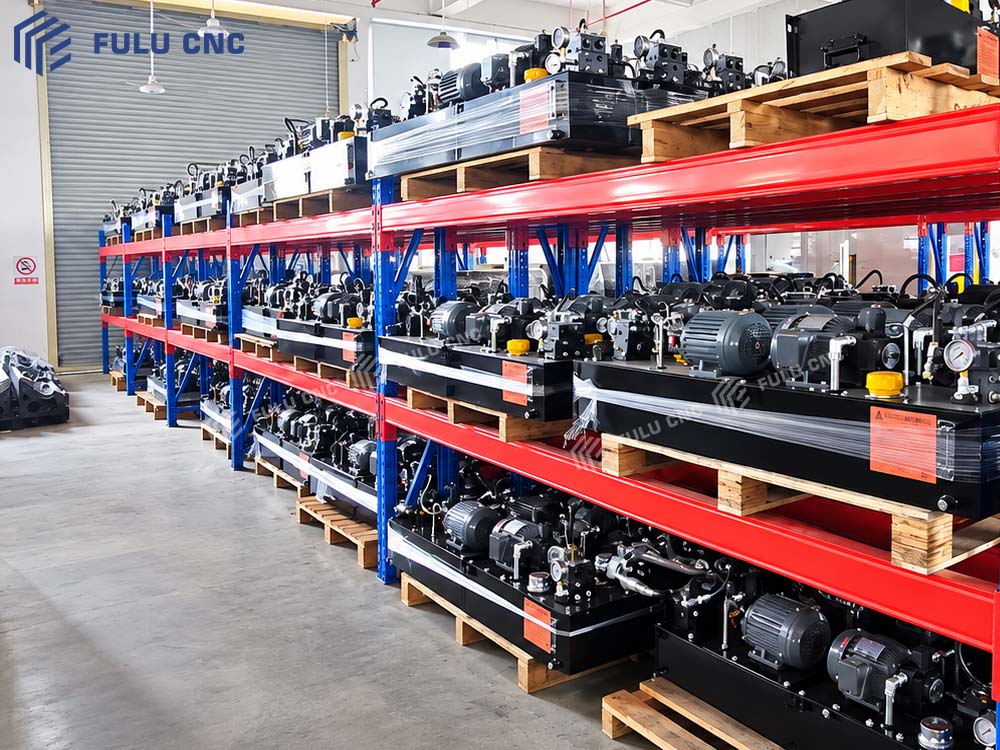
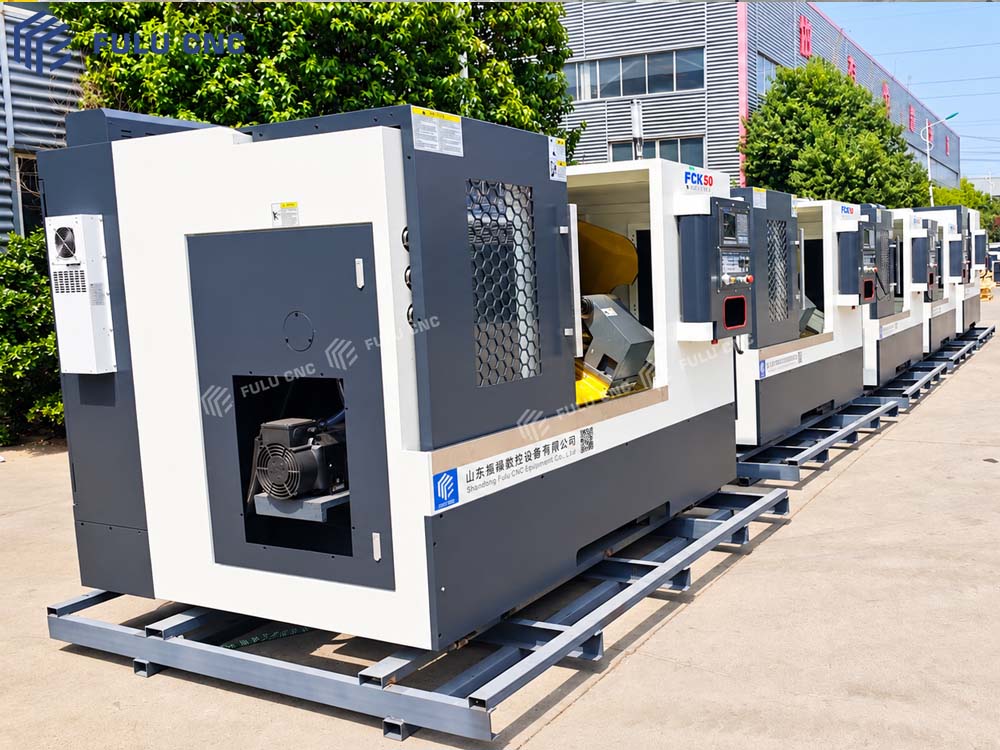
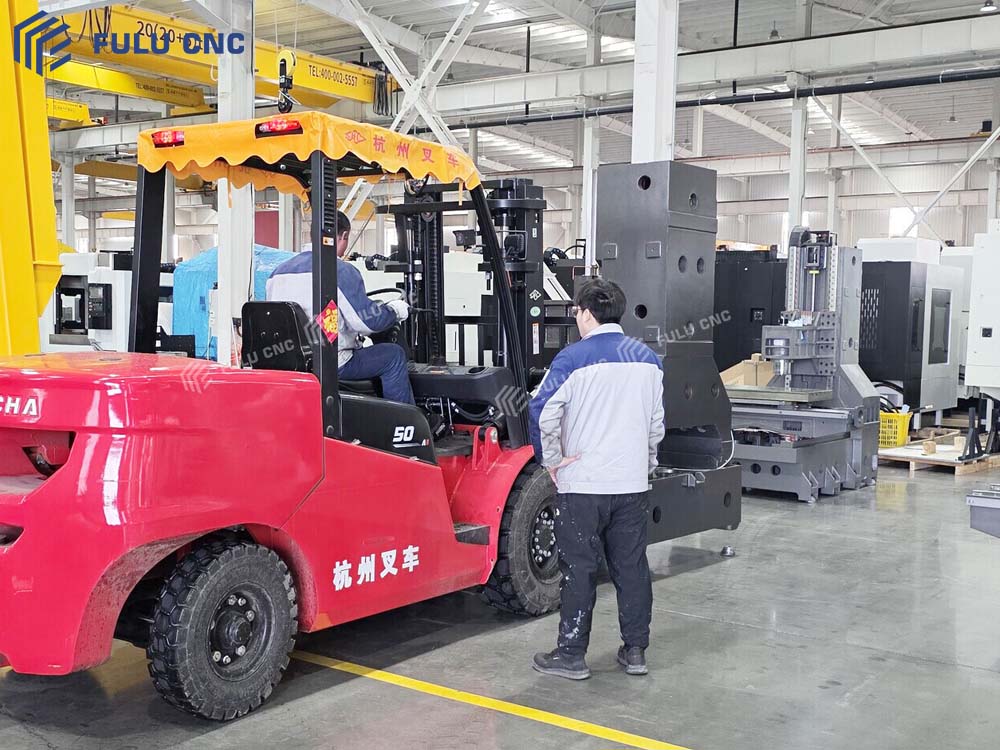
Our workshop views show machine inventory, component preparation, assembly activity, inspection, and completed equipment. For a specific project, our team can review the proposed configuration, acceptance requirements, and delivery scope with you.
Explore Factory & Quality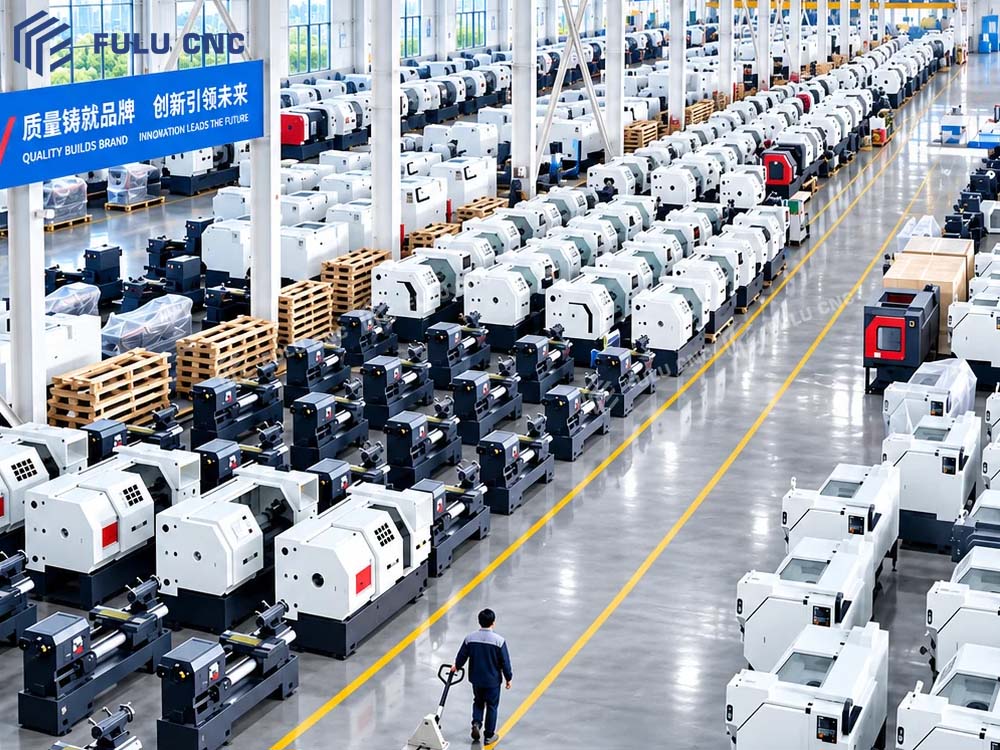
Core Product Families
Choose by workpiece and process first. Compare each machine family, then confirm the exact model, configuration, and acceptance requirements with our team.
Flat-bed and slant-bed CNC lathes for rotational parts. Compare CK, TCK, and FCK series by turning range, part length, and production needs.
Explore machine family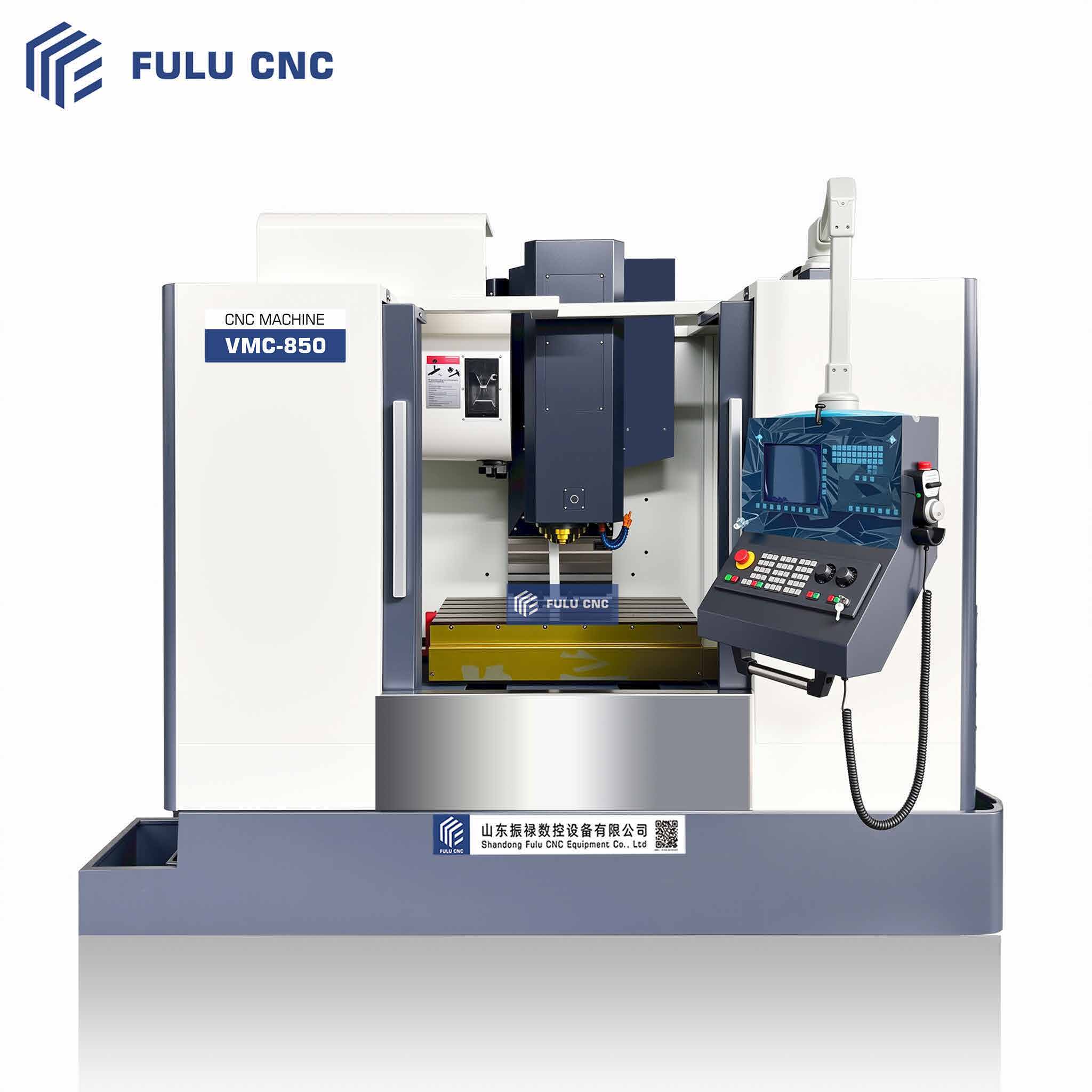
Vertical, horizontal, and gantry machining centers. Compare VMC, HMC, and GMB structures by workpiece envelope and required operations.
Explore machine family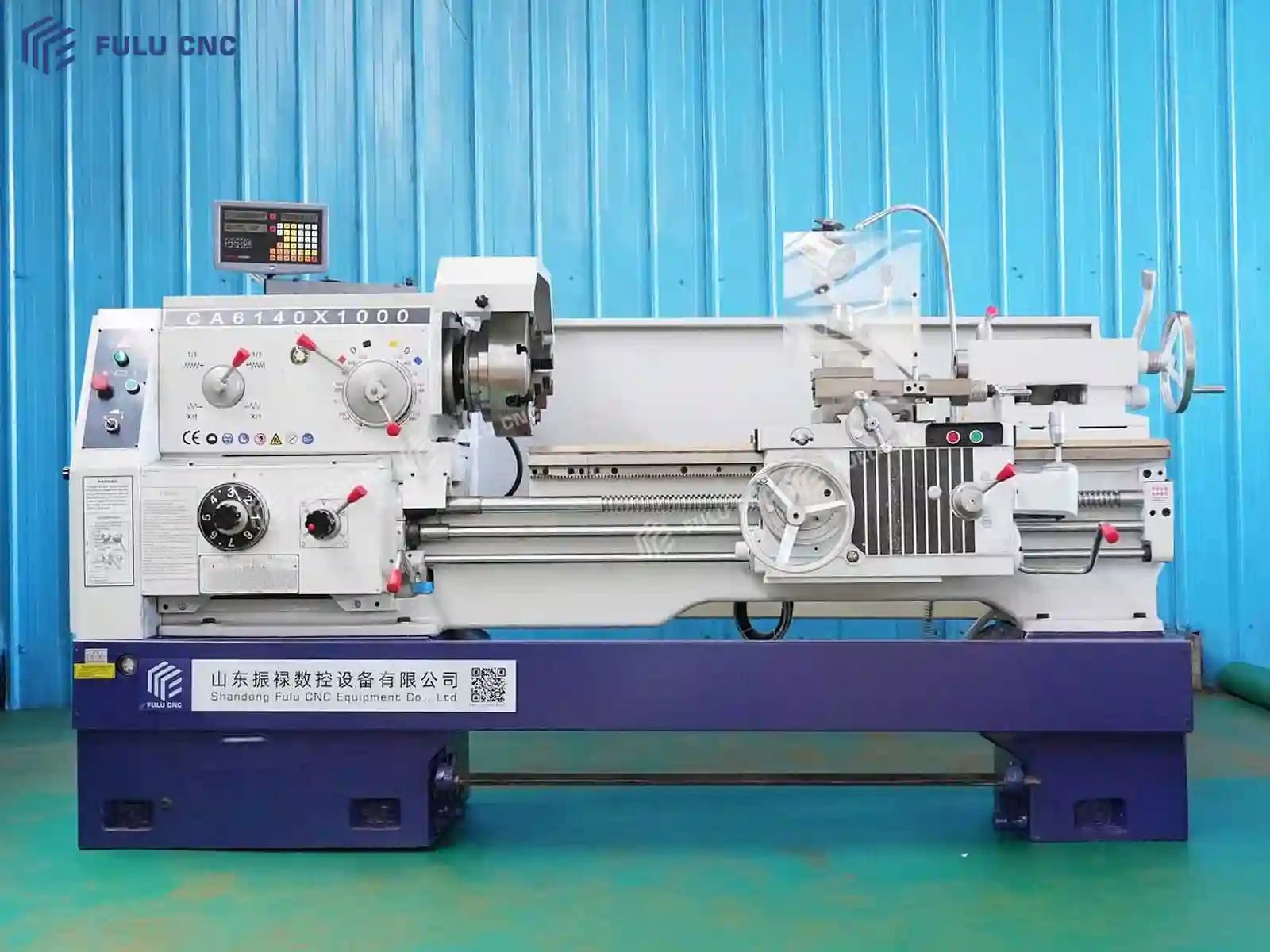
CA and CW conventional lathes, plus X and ZX turret milling and drilling-milling machines for workshop turning, milling, and drilling.
Explore machine family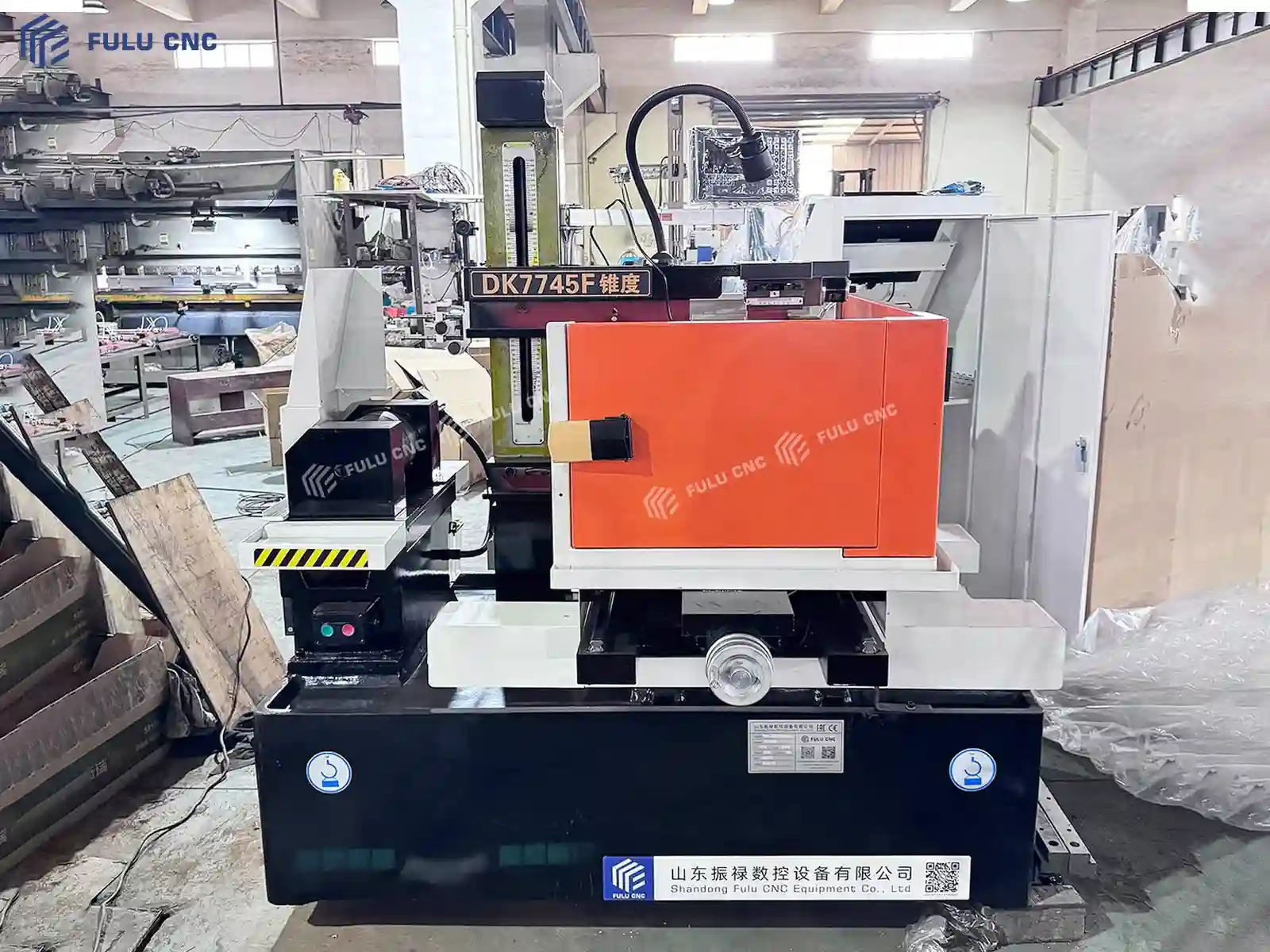
DK77 series wire-cut machines for profile cutting. Confirm workpiece size, cutting requirements, and finish before selecting a model.
Explore machine familyChoose by Application
Part profile, material, dimensions, tolerance, operations, setup strategy, and volume determine the machine and configuration path.
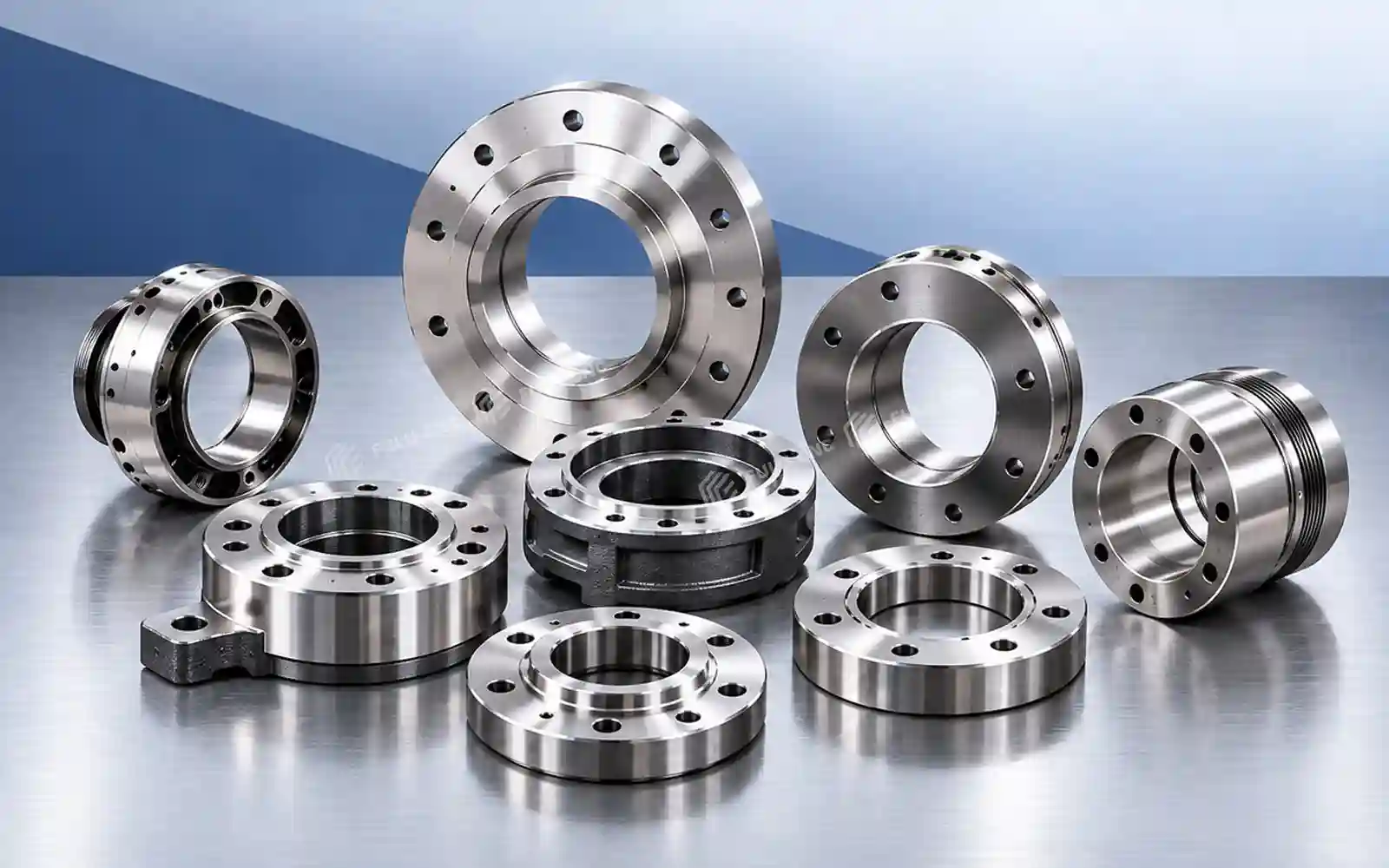
Review turning diameter, part length, chuck or between-centers support, and flange clearance before comparing a lathe configuration.
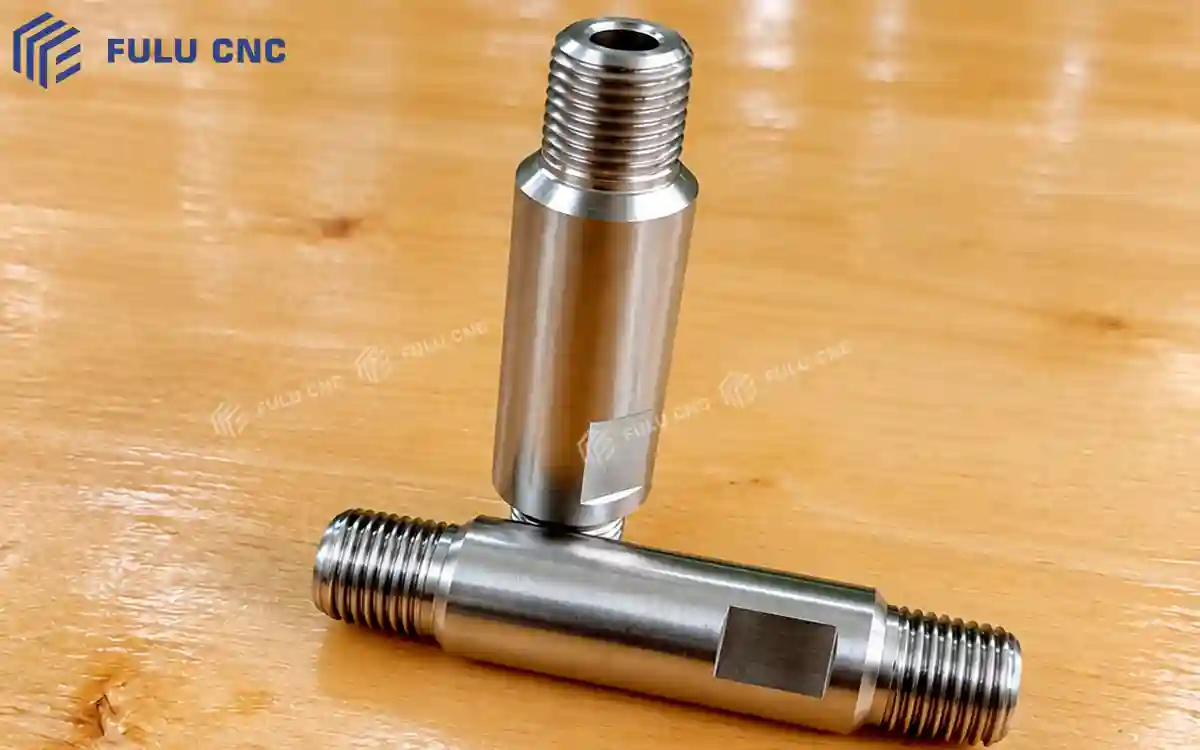
Confirm pipe outside diameter, bore passage, thread form and pitch, clamping method, and inspection requirements.
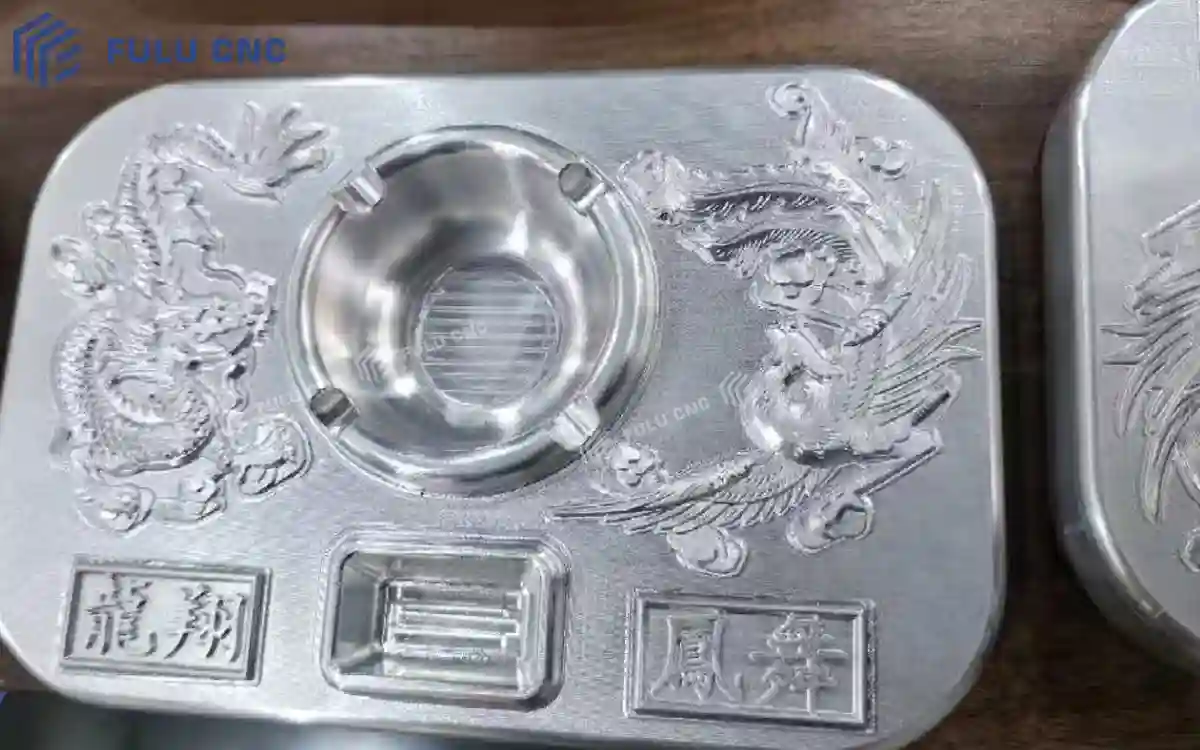
Check material, cavity or insert geometry, tool access, required contour, tolerance, finish, and the complete fixture envelope.
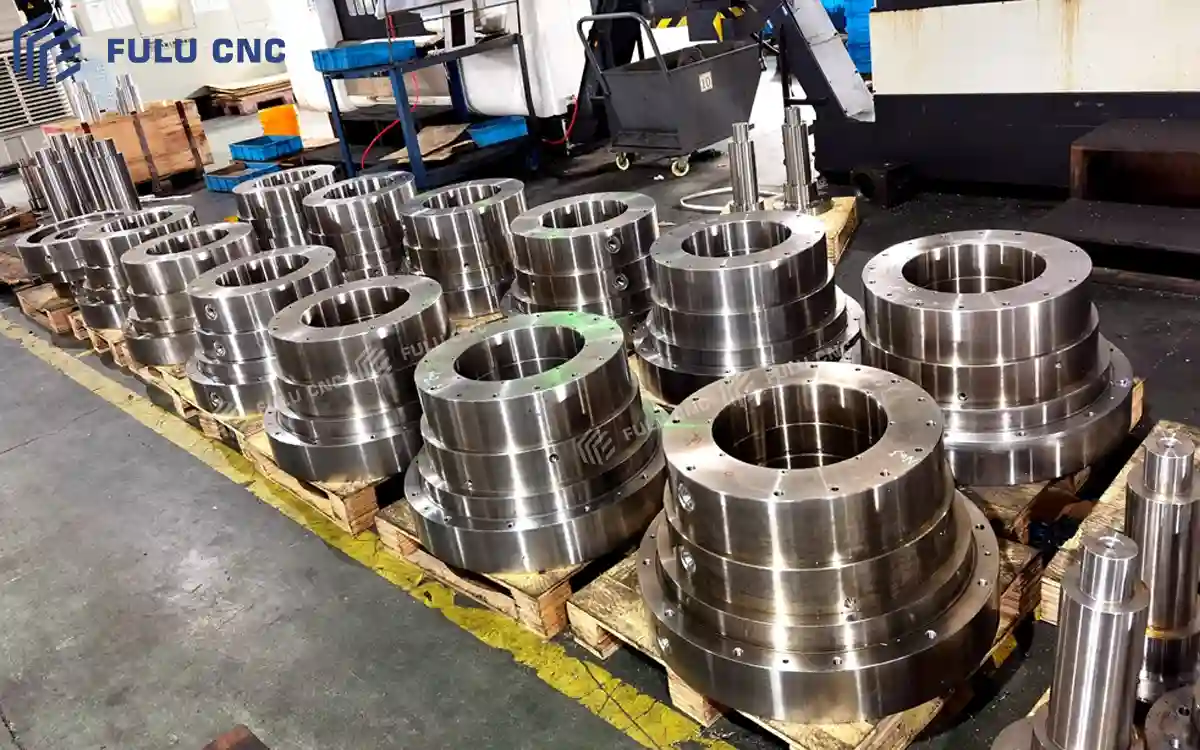
Match loaded workpiece size and mass with travel, table or bed capacity, lifting, foundation, workholding, and tool approach.
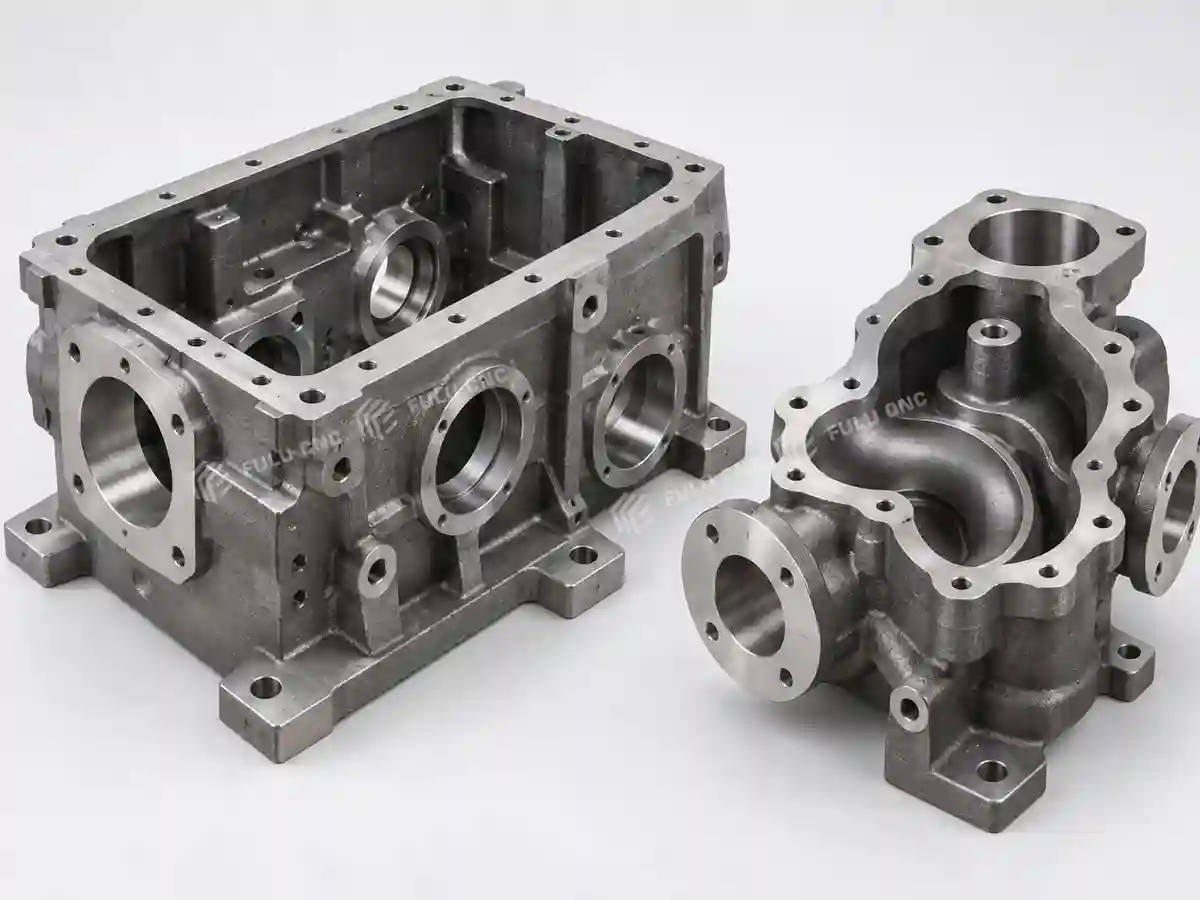
Define the repeat operation, fixture datum, tolerance, cycle target, tool system, and production volume before selecting a CNC platform.
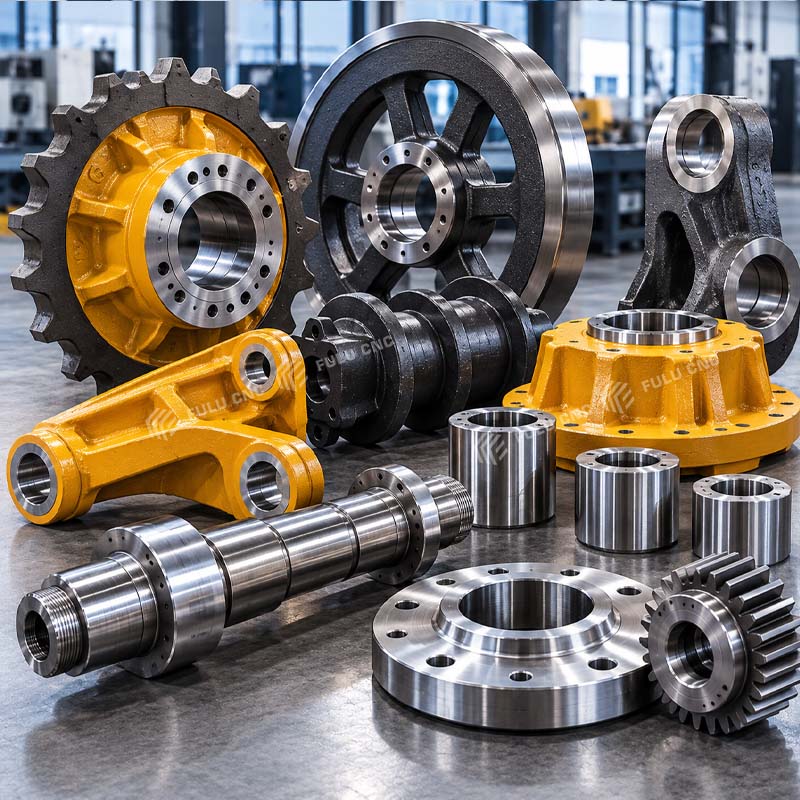
Use the drawing and operation sequence to separate turning, milling, drilling, and profile-cutting requirements.
Production View
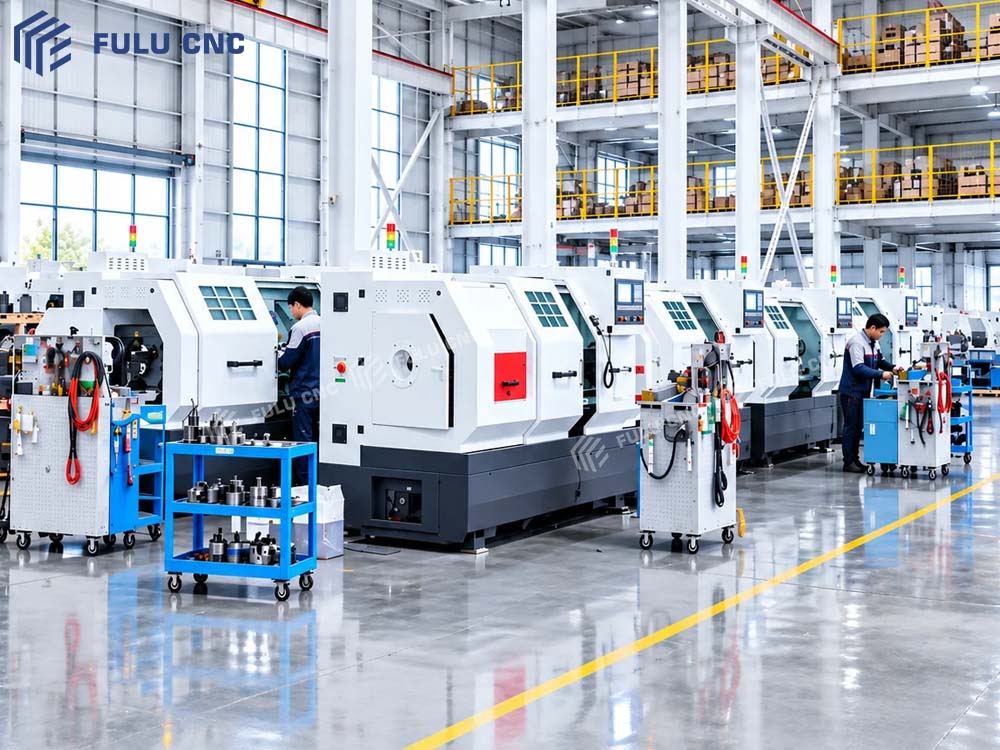
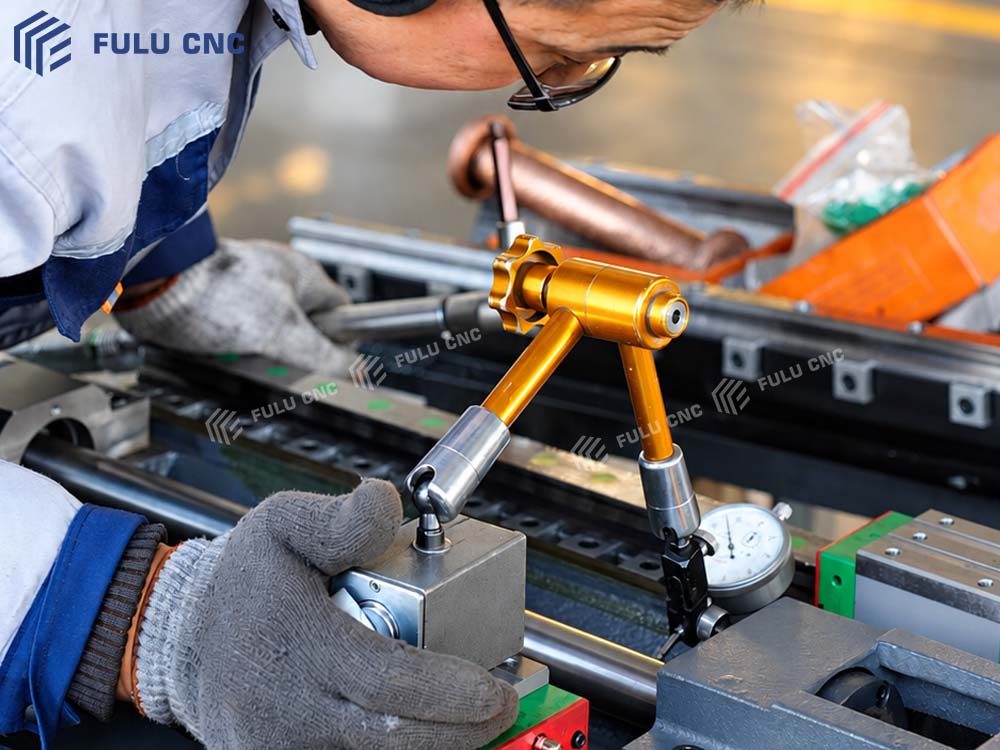
Manufacturing Process
Each stage connects the part requirements to a machine configuration, a responsible checkpoint, and the records needed for the agreed acceptance scope.
Record the part drawing, material, envelope, operations, production volume, tolerance, and acceptance inputs.
Check applicable component specifications, incoming condition, and traceability before assembly.
Complete mechanical assembly, alignment, and adjustment for the quoted machine configuration.
Run the agreed functional and geometric checks under documented machine and test conditions.
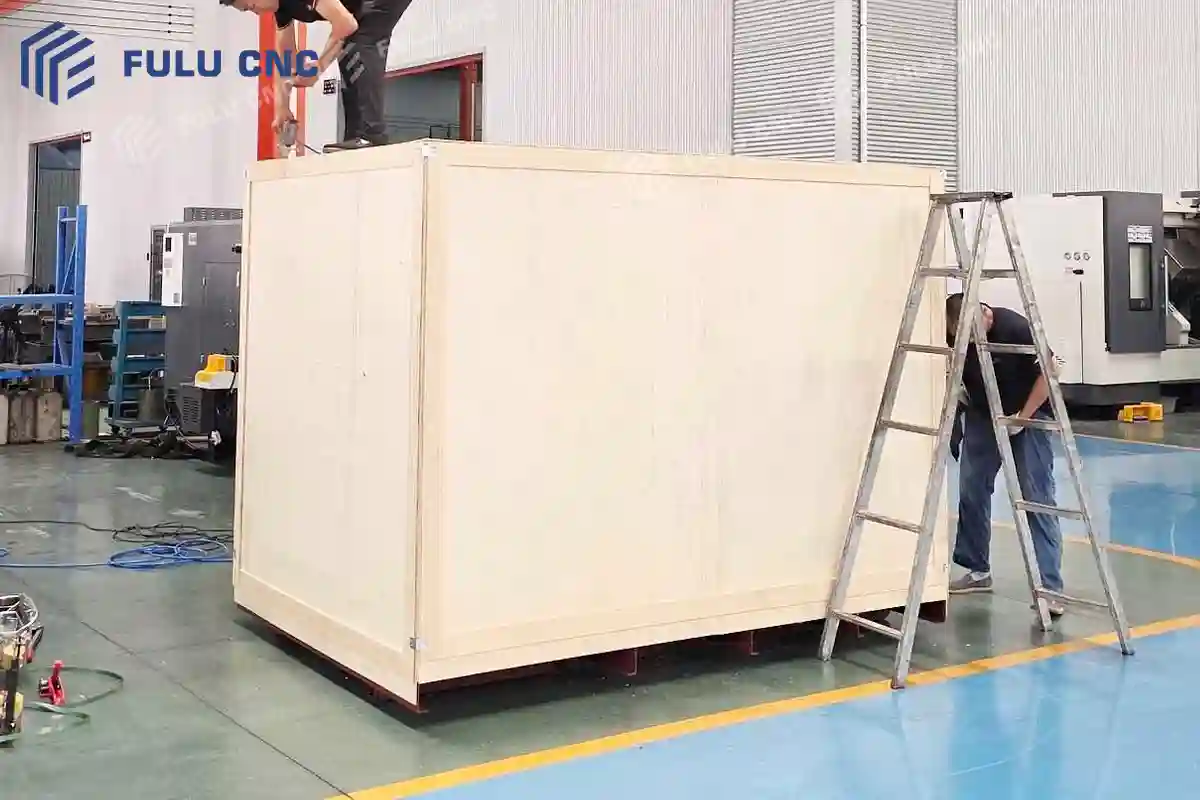
Confirm acceptance records, manuals, preservation, packing, and destination requirements before dispatch.
Quality & Inspection
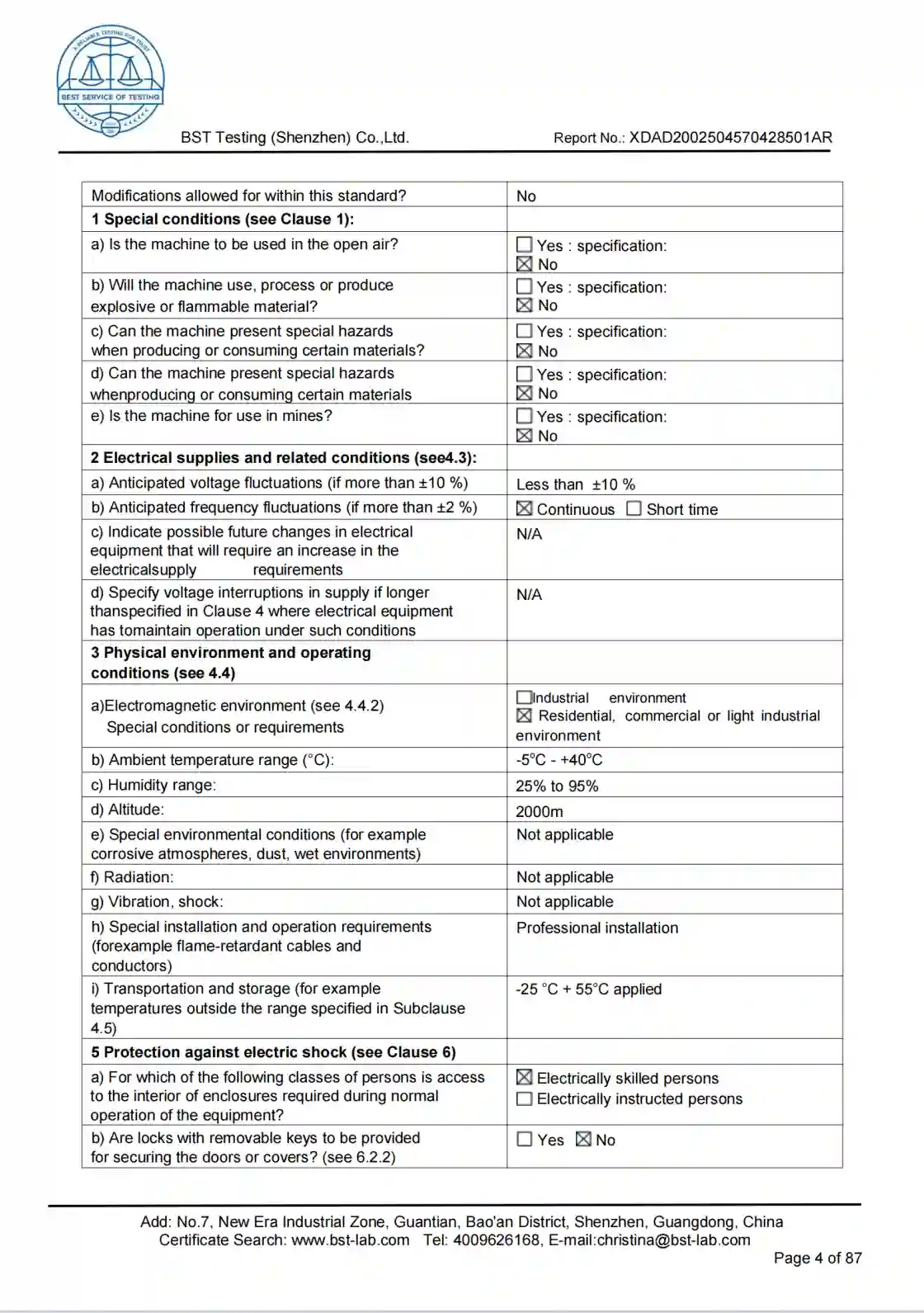
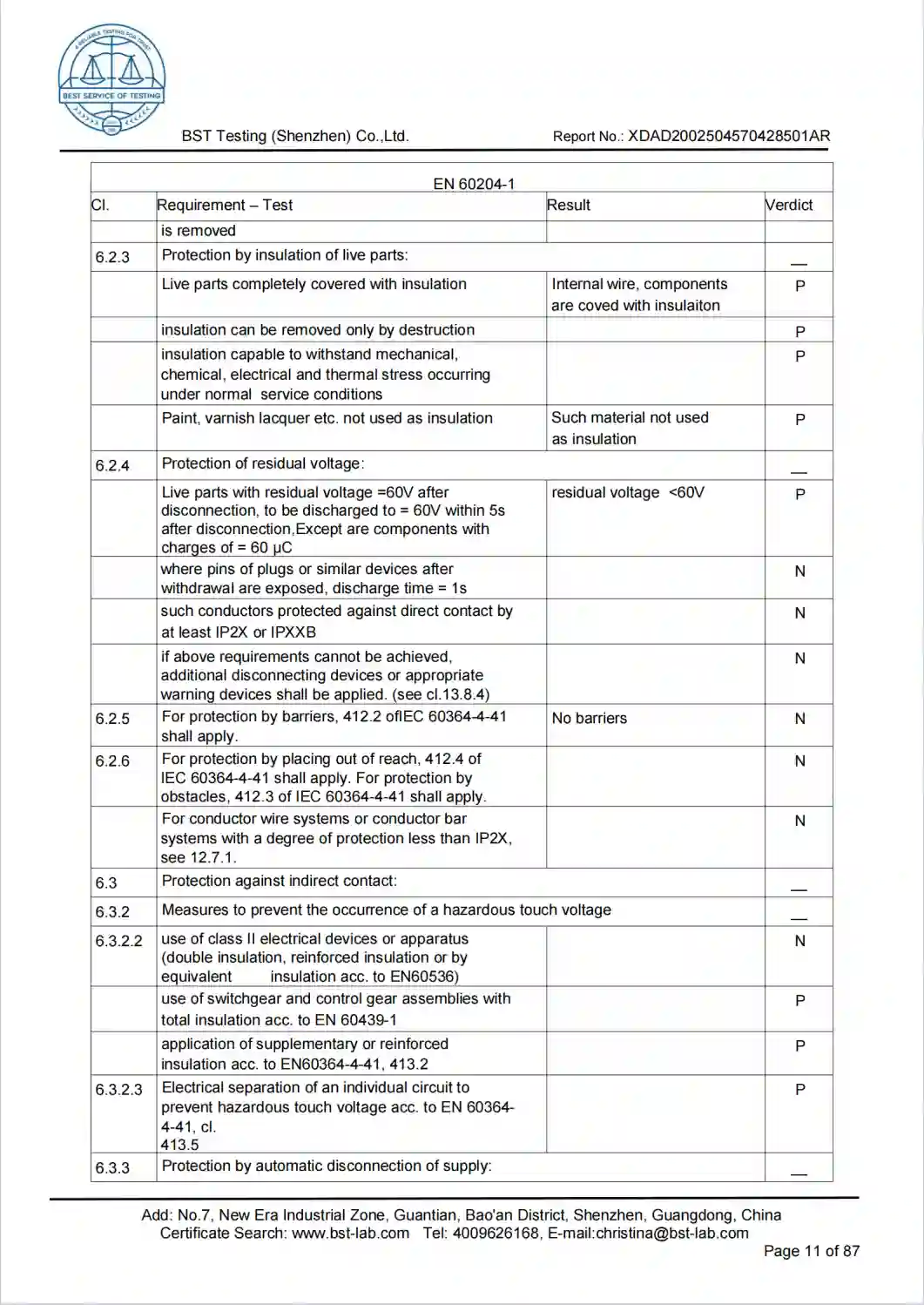
Quality review should connect each claim to a checkpoint, the applicable machine configuration, the test condition, and the acceptance record. The final scope is agreed against the quotation and the customer's part requirements.
Quality Documentation
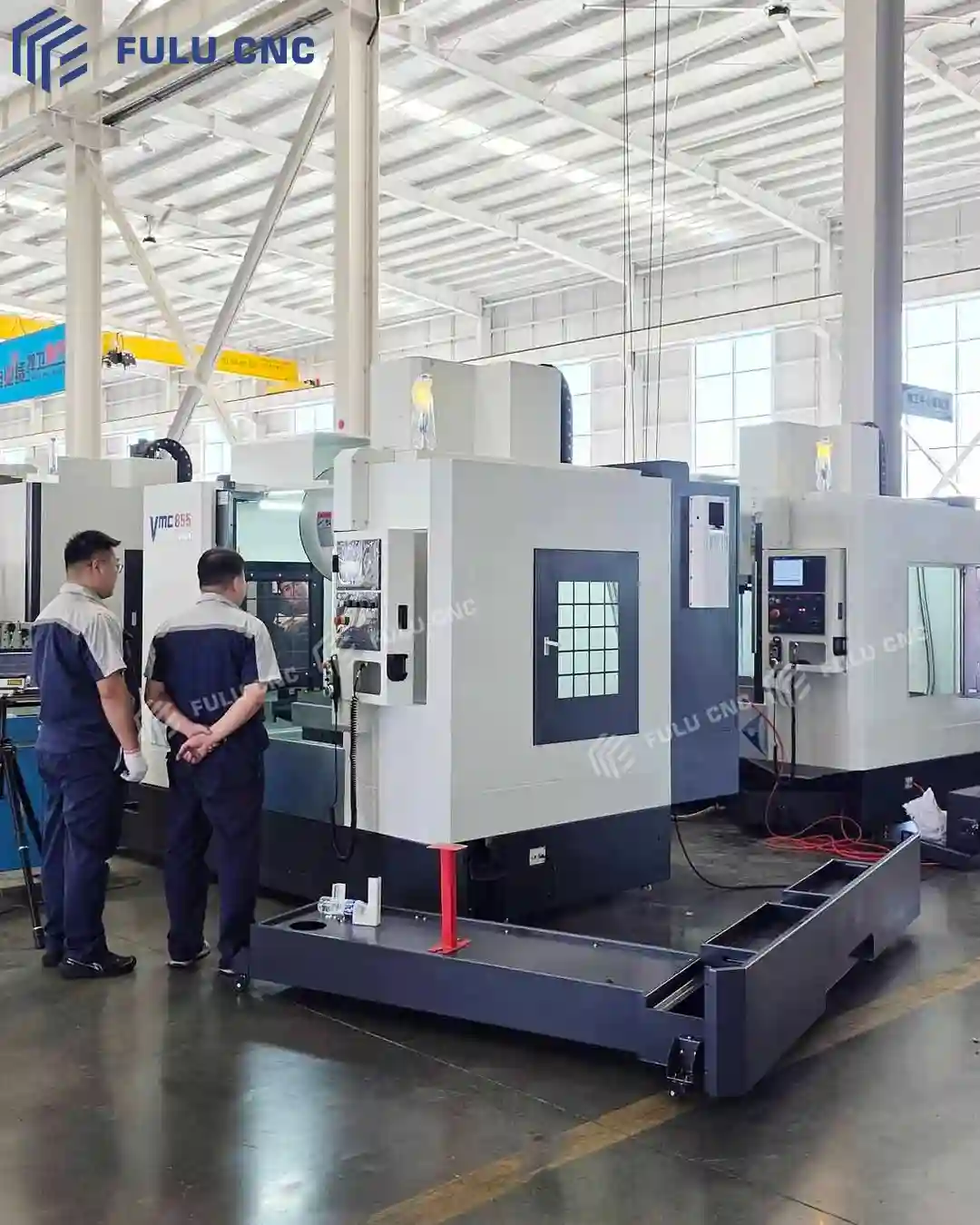
Engineering & Customization
Configuration review starts with the part drawing and the production sequence. The quotation should separate standard equipment, selectable options, third-party items, custom-engineering work, and details still requiring confirmation.
Customer Visits
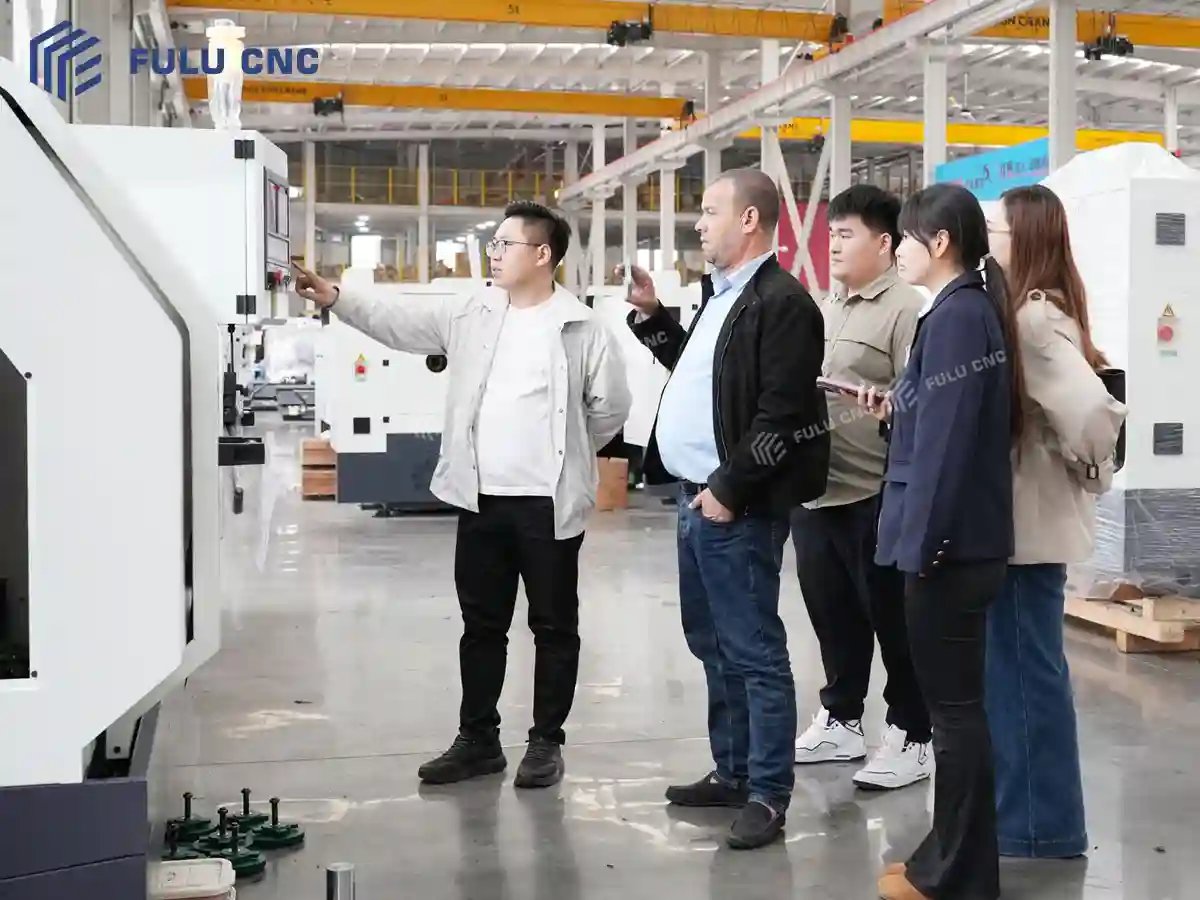
Customers visit the FULU CNC workshop to review machines and discuss production requirements with our team.
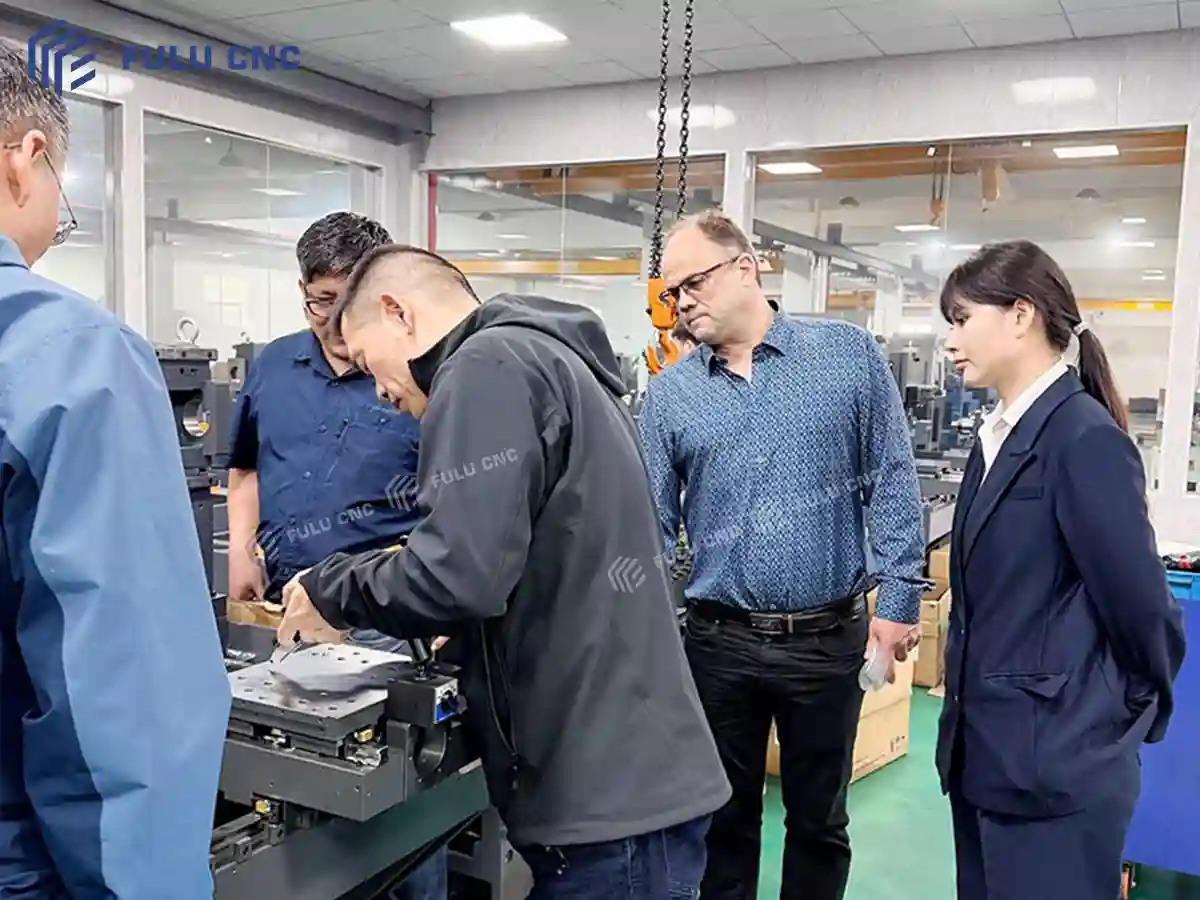
Customer and FULU team review a machine in the workshop.

Customer visit at the FULU CNC workshop.

Visitors discuss CNC equipment with the FULU team.

Customers inspect equipment during a factory visit.
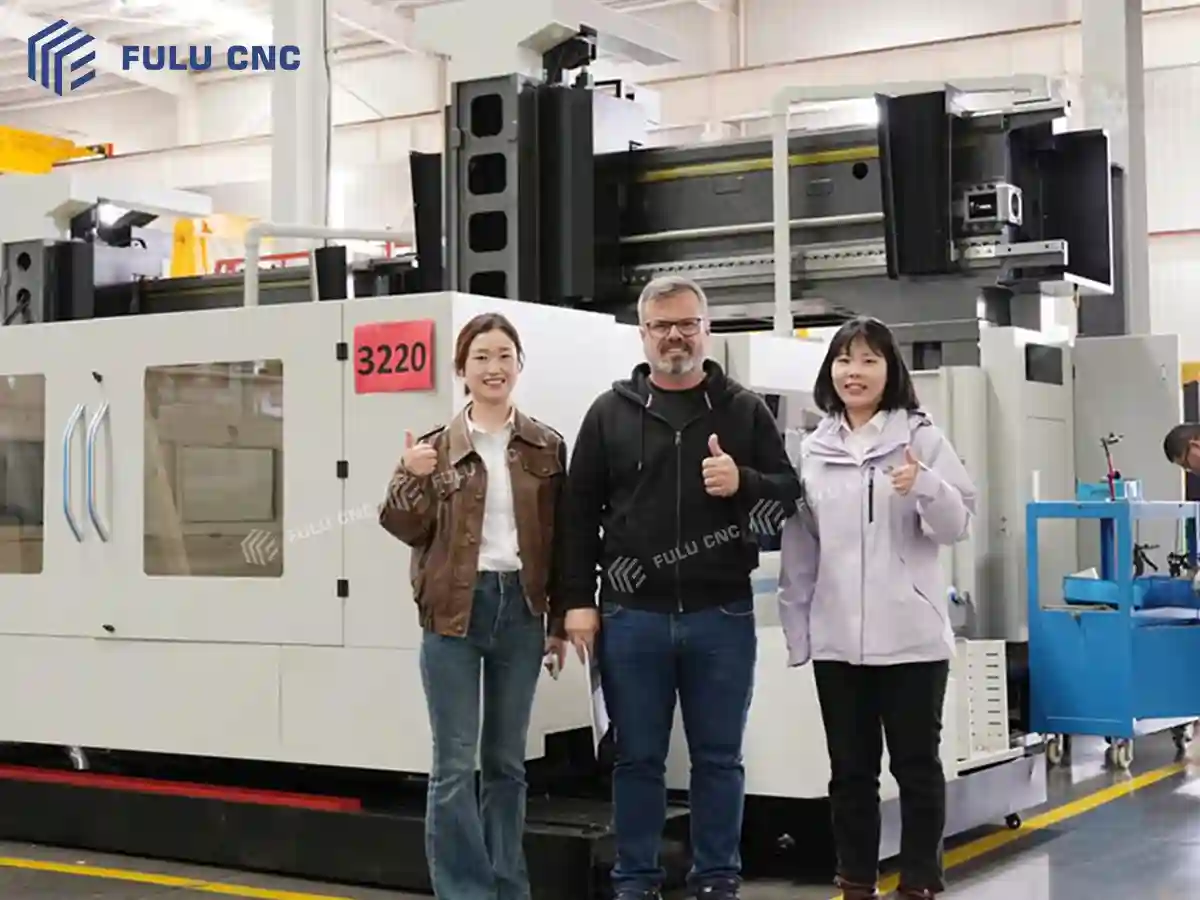
Customer and FULU team exchange technical questions.

Visitors review machine details with the FULU team.
Delivery & Support
Machine delivery is more than shipment. The quotation and order should state the applicable packing, included documents, installation responsibilities, training, spare-parts arrangement, warranty terms, and destination-specific support.
FAQ
Start with a part drawing or clear photos, material, maximum dimensions and weight, required operations, tolerance and surface-finish targets, and expected production volume. Include the destination and electrical standard when known. These details help narrow the machine family and configuration for review.
Start with the part shape and required operation. For programmed turning of rotational parts, compare CNC lathes. For milling, drilling, or tapping prismatic and large parts, compare vertical, horizontal, and gantry machining centers. For manual turning, milling, or drilling, review conventional machine tools. For profile cutting in electrically conductive material, consider wire-cut EDM. Share the drawing and production requirements so the model and configuration can be checked.
Compare the workpiece diameter and length, workholding, machining operations, chip flow, tooling access, and production volume. Flat-bed and slant-bed structures suit different part and process requirements; the final choice depends on a specific model and proposed setup.
The standard equipment and available options vary by model. Confirm the controller, chuck, turret, tooling, chip conveyor, and any automation in the written configuration and quotation before placing an order.
Agree on the applicable checks, test conditions, acceptance criteria, and required records for the selected machine and configuration. Ask which inspection or trial-operation evidence can be reviewed before shipment.
Check the exact model and capacity, standard equipment, priced options, packing method, included documents, and destination. Installation, commissioning, training, spare parts, warranty, and local support responsibilities should be stated explicitly when applicable.