Manual machine range

Conventional Machine Tools

Explore manual lathes, turret milling machines, and drilling-milling machines for jobs where the operator controls the machining sequence and setup.

Send Your Part Drawing
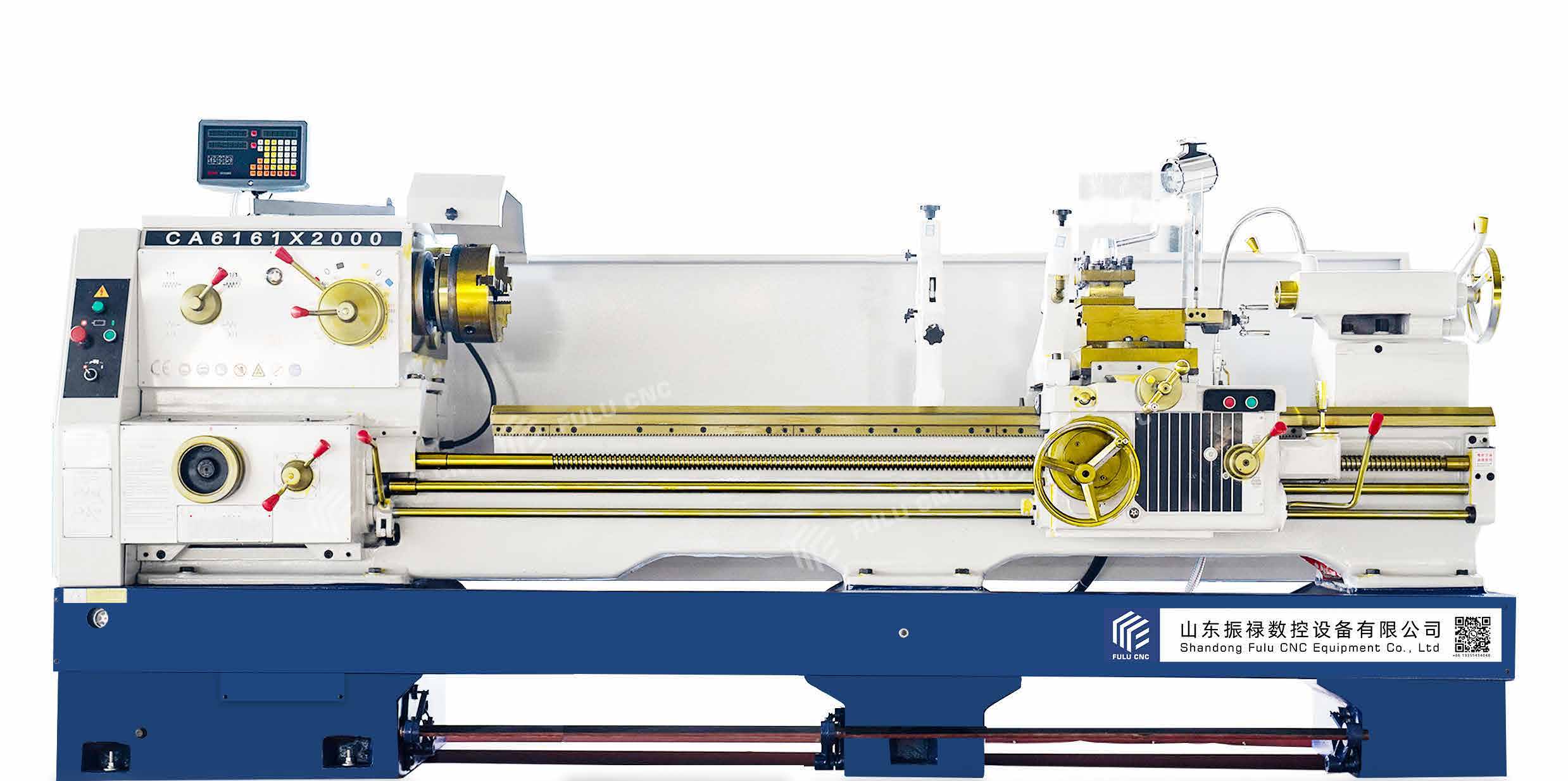
CA6161 conventional lathe pictured in the FULU catalog
Machine groups

CA / CW Lathes and X / ZX Machines

Match the machine type to the actual turning, milling, or drilling work before comparing individual models.

CA6161 conventional lathe

CA conventional lathes

The catalog lists CA6140, CA6150, CA6161, CA6166, and CA6180. Choose by bed swing, carriage clearance, distance between centers, bore, and workholding.

CW conventional lathes

CW61100, CW61125, CW61150, and CW61160 appear in the larger conventional-lathe range. Confirm the required diameter, length, mass, and support.
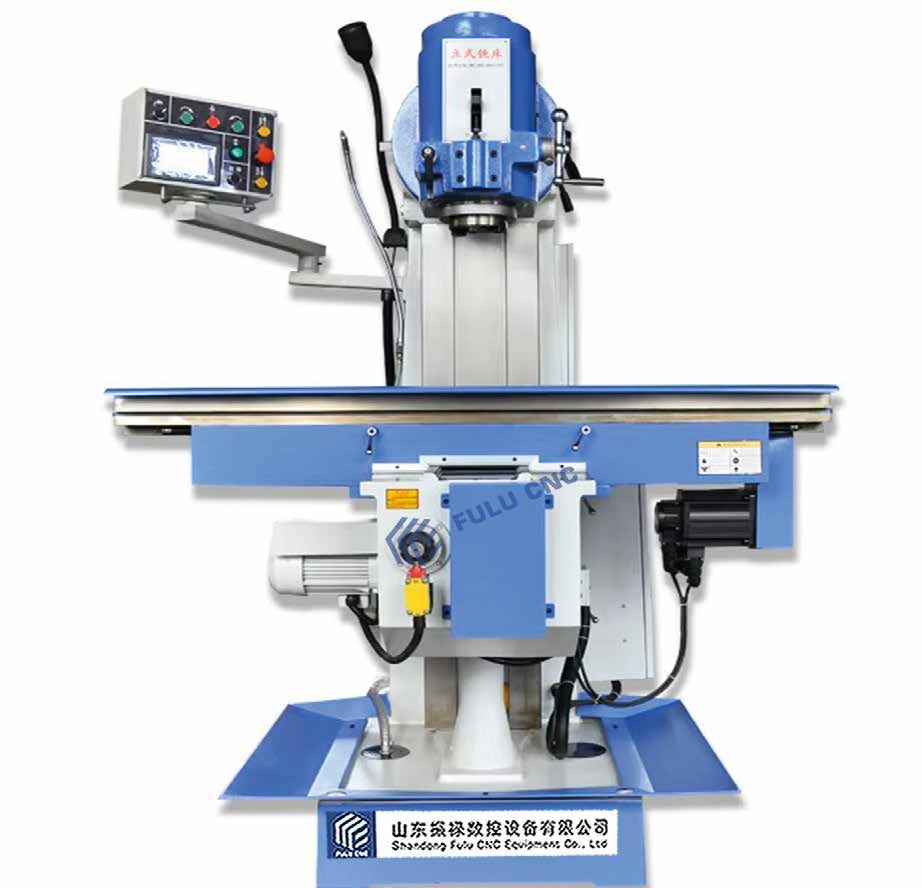
X-series turret milling machine pictured in the FULU catalog

X turret milling machines

The catalog lists X6325, X6330, X6336, and X6332. Check table travel, head movement, workpiece access, and tooling.

ZX drilling-milling machine

ZX6350C is listed. Confirm drilling and milling operations, table travel, spindle arrangement, and fixture clearance.

Workshop tasks

Route the Job Before Choosing the Model

Turning shafts and cylindrical parts

Start with the CA or CW lathe range. Record the clamped diameter, finished length, part mass, required bore, centers, and support; compare both swing over bed and carriage.

Milling slots, faces, and hole patterns

Start with an X turret mill when manual milling access and table travel fit the setup. Check tool reach, head movement, fixture footprint, and operator workflow.

Drilling with related milling work

The catalog includes the ZX6350C drilling-milling machine. Define hole diameter and depth, spindle and table requirements, and any milling operations before choosing it.

Small batches, repair, and variable setups

Describe setup frequency and inspection requirements. Manual operation may suit changing jobs, but the capacity and achievable result still depend on the selected machine and operator process.

Machine-group comparison

CA, CW, X, and ZX Serve Different Jobs

GroupPrimary processSelection boundary
CA latheManual turning across the CA6140-CA6180 listed range.Check bed/carriage swing, center distance, bore, mass, and workholding.
CW latheLarger manual-turning range listed as CW61100-CW61160.Check the full loaded part, support, bed length, spindle, and installation.
X turret millManual milling with an adjustable head and table setup.Check table travels, head/tool clearance, fixture and part mass.
ZX6350CCombined drilling and milling tasks in one listed model.Check hole and milling requirements against its exact spindle, travel, and fixture envelope.
Selection criteria

Choose by Operation and Workpiece Size

Turning

Compare swing over bed with the actual clamped part, then verify length, bore, tailstock, and steady-rest needs.

Milling

Check the table, travel, head movement, spindle tooling, and the full fixture footprint.

Drilling

Identify hole diameter and depth, hole pattern, material, and clamping arrangement.

Operator workflow

State expected batch size, setup frequency, accuracy requirements, and inspection approach.

Specification guide

Do Not Size a Manual Lathe by Swing Alone

The CA/CW bed-swing table is a useful first filter. These additional dimensions decide whether the actual part can be set up and cut.

Carriage clearance

The carriage and cutting tool can limit practical diameter even when the part clears the bed. Confirm the stated carriage swing for the selected model.

Distance between centers

Match the supported part length after allowing for chuck, center, tool, and tailstock positions. Confirm the exact bed-length variant.

Spindle bore and chuck

Bore passage and chuck gripping range are different. Supply the stock diameter and clamping method, especially for bar and tube work.

Part mass and support

Add any faceplate, fixture, or steady rest to the setup review; verify machine and foundation limits before specifying a large CW model.

Catalog reference

Lathe Swing Over Bed by Model

All values below are swing over bed in millimeters. They do not state finished turning diameter or distance between centers.

CA modelSwing (mm)CW modelSwing (mm)
CA6140400CW611001,000
CA6150500CW611251,250
CA6161610CW611501,500
CA6166660CW611601,600
CA6180880——

Confirm the bed-length variant, carriage swing, spindle bore, motor, and included accessories for each quoted machine.

Common questions

Conventional Machine Tool FAQ

How do I choose between CA and CW lathes?

Use the complete part diameter, length, mass, bore and support needs. The catalog lists larger bed swings for the CW models, but the exact machine must be checked against the drawing.

Does swing over bed equal the maximum diameter I can turn?

No. Tool, carriage, chuck, and fixture clearances may reduce the practical turning envelope.

Which machine should I ask about for milling and drilling?

Describe the operations, hole sizes, material, part and fixture envelope, and desired spindle and table setup. The X and ZX ranges are different machine groups.

Are accessories included with every model?

Confirm the standard and optional accessories on the model-specific quotation.

Can one X-series mill replace the ZX6350C for drilling?

Define the drilling diameter and depth, spindle and tool requirements, plus all milling operations. Compare the exact model specification and workholding plan.

What belongs on a manual-lathe quotation?

Specify the bed-length variant, chuck or faceplate, spindle bore, tailstock, steady rest or other support, electrical requirements, and the agreed inspection method.

Configuration review

Match a Manual Machine to Your Job

Send the drawing, material, overall dimensions and mass, required turning, milling or drilling operations, batch size, tolerance, workholding, destination, and electrical requirements.

Send Your Part Drawing